NOTIFICATIONS AND ALERTS
Important notifications and alerts will be posted here when available.
ADA PARATRANSIT TECHNOLOGY UPDATE
POSSIBLE DELAYS TO SERVICE
The Greater Hartford Transit District is working on technology updates on the fleet of ADA Paratransit vehicles. During this upgrade, some riders may experience possible delays in service. We apologize for any inconvenience while we work quickly to complete this update.
CTTRANSIT and ADA PARATRANSIT
SERVICE CHANGES
EFFECTIVE MARCH 10, 2024
In compliance with the Americans with Disabilities Act (ADA), the Greater Hartford Transit District provides transportation services for individuals who, because of their disability, are unable to travel on the fixed route public transit service operated by CTtransit (Hartford, Bristol and New Britain Divisions). The paratransit service is designed to provide those persons with disabilities equal access to public transportation.
Beginning on March 10, 2024 CTtransit is having several service changes which will shape and impact the service provided by ADA Paratransit. There will be reduced service in some areas covered by CTtransit route 501. Passengers traveling in the Berlin, Meriden, Plainville, and Southington area (Queen St area) will see an expansion of service in certain areas. ADA Paratransit provides service within a ¾ mile radius surrounding the fixed route service operated by CTtransit.
For a full list of changes please visit the CTtransit website: https://www.cttransit.com/servicechanges
GREATER HARTFORD TRANSIT DISTRICT
NEW PASSENGER SEATBELT REQUIREMENT
EFFECTIVE JANUARY 8, 2024 ALL PASSENGERS MUST WEAR A SEATBELT WHEN TRAVELING.
Passengers who have documentation from a medical professional stating that it is medically unsafe to travel using a seatbelt and/or lap belt must present applicable documentation to the Greater Hartford Transit District. For questions or additional information contact 860-380-2023 or email mbanker@ghtd.org.
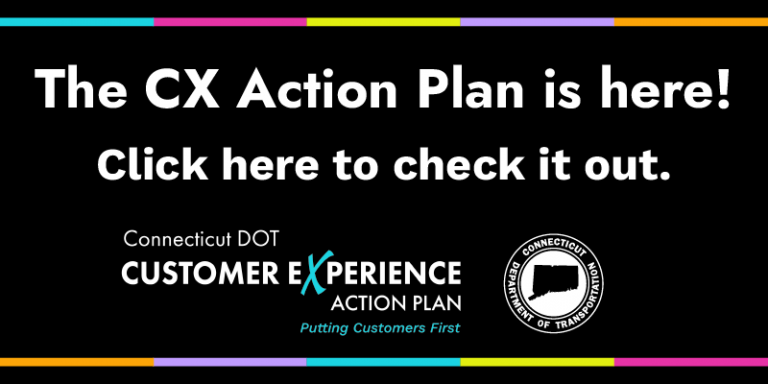
The Customer Experience Action Plan from the Connecticut Department of Transportation is now available!
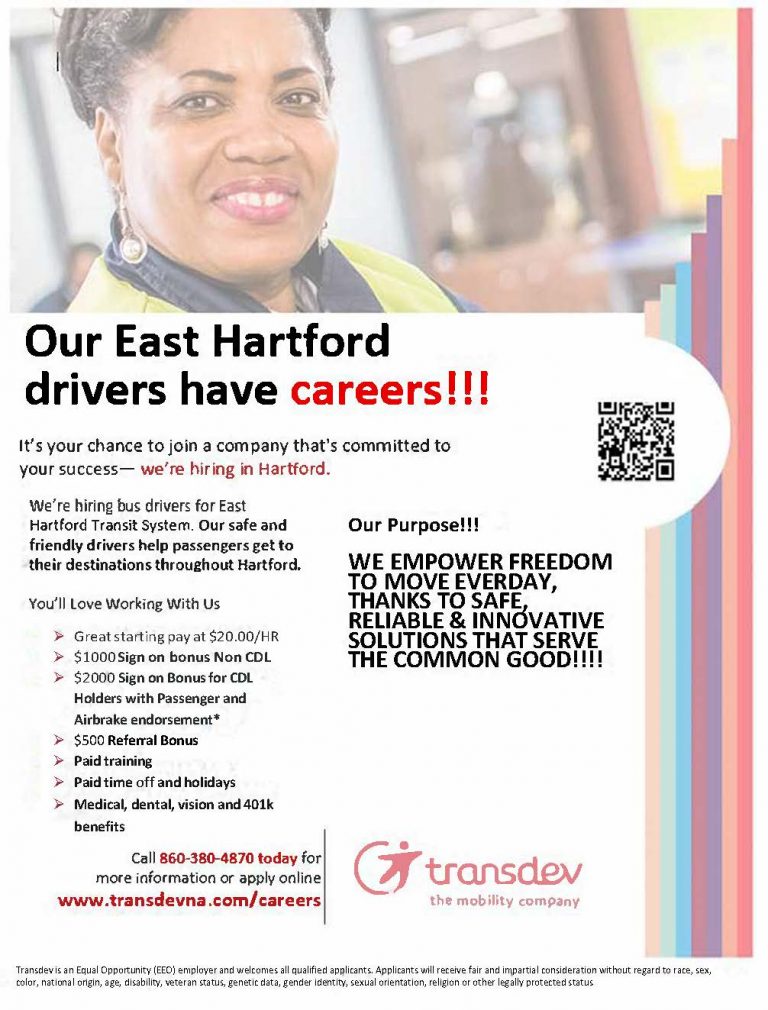
New Wages (Starting at $20.00/hr.) + $1,000 Sign On Bonus (non CDL)
$2,000 Sign On Bonus for CDL Holders with Passenger Airbrake Endorsement
$500 Referral Bonus
Paid Training & Excellent Benefits Including Paid Time Off and 401K
To Apply Visit: www.transdevna.com/careers
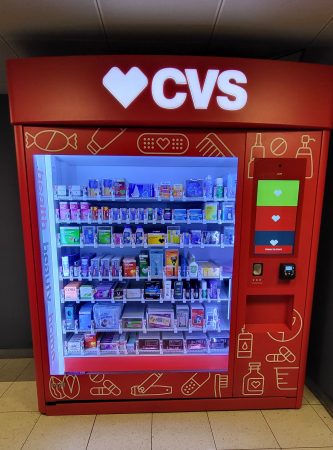
CVS HEALTH KIOSK
Now Located on Premises!
Offering a convenient way to stock up on miscellaneous health and wellness essentials while on-the-go.
Located in the Transportation Center of Union Station.
Offering 24/7 Access to Health Essentials & Hygiene Products
Kiosk accepts Visa, Mastercard, Discover, and Amex credit card transactions
as well as Apple Pay, Google Pay, and Samsung Pay contactless payment options.
NOTIFICATIONS AND ALERTS
Important notifications and alerts will be posted here when available.
GREATER HARTFORD TRANSIT DISTRICT
NEW PASSENGER SEATBELT REQUIREMENT
EFFECTIVE JANUARY 8, 2024 ALL PASSENGERS MUST WEAR A SEATBELT WHEN TRAVELING.
Passengers who have documentation from a medical professional stating that it is medically unsafe to travel using a seatbelt and/or lap belt must present applicable documentation to the Greater Hartford Transit District. For questions or additional information contact 860-380-2023 or email mbanker@ghtd.org.
Transit Equity Day
Transit Equity Day is observed each year February 4 to commemorate the life and legacy of Rosa Parks on her birthday. Rosa Parks became a key figure in the Civil Rights era when she refused to give up her seat on a segregated Montgomery, Alabama public transit bus and was arrested in 1955. Her actions sparked the Montgomery bus boycott and the U.S. Supreme Court decision declaring segregation on buses unconstitutional. The actions and legacy of Rosa Parks is intrinsically tied to the concept of transit equity for all. (Learn more about Rosa Parks and the Montgomery Bus Boycott at the Library of Congress).
The Customer Experience Action Plan from the Connecticut Department of Transportation is now available!
New Wages (Starting at $20.00/hr.) + $1,000 Sign On Bonus (non CDL)
$2,000 Sign On Bonus for CDL Holders with Passenger Airbrake Endorsement
$500 Referral Bonus
Paid Training & Excellent Benefits Including Paid Time Off and 401K
To Apply Visit: www.transdevna.com/careers
CVS HEALTH KIOSK
Now Located on Premises!
Offering a convenient way to stock up on miscellaneous health and wellness essentials while on-the-go.
Located in the Transportation Center of Union Station.
Offering 24/7 Access to Health Essentials & Hygiene Products
Kiosk accepts Visa, Mastercard, Discover, and Amex credit card transactions
as well as Apple Pay, Google Pay, and Samsung Pay contactless payment options.




The Greater Hartford Transit District
The Greater Hartford Transit District (“the District”) is a quasi-municipal corporation operating under the authority of Chapter 103a of the Connecticut General Statutes. There are currently sixteen member towns represented by appointees who collectively form the Board of Directors. GHTD has broad powers to acquire, operate, finance, plan, develop, maintain and otherwise provide all forms of land transportation and related services including the development or renewal of transportation centers and parking facilities. The agency serves as a conduit for federal and state funding of transit related capital projects, provides ADA Paratransit Service, and owns Hartford Union Station and the ADA Paratransit Operations and Maintenance Facility in East Hartford.
We are committed to providing the highest quality transportation and transit related support services.